12 Things to Check Before You Build a New Website
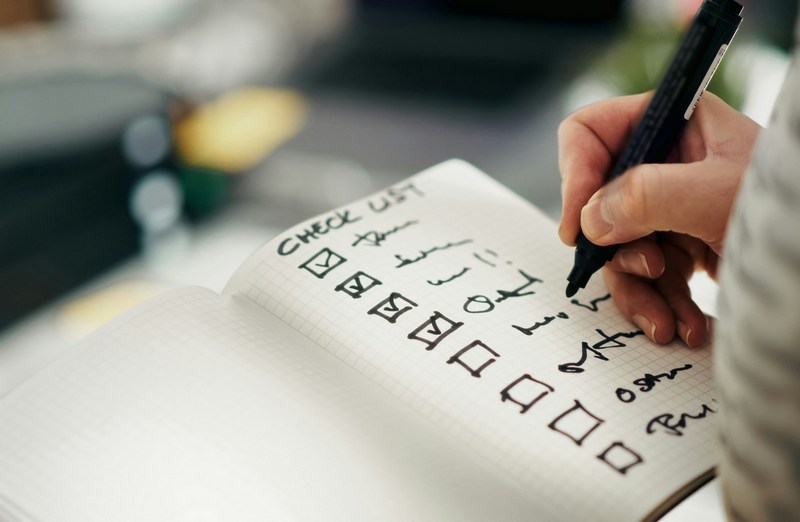
12 Things to Check Before You Build a New Website
Thinking about a new website?
It is tempting to jump straight into colours, layouts and choosing a new look.
But a new website is a good opportunity to do more than make your business look better online.
It should make it easier for the right people to understand what you do, find the information they need and take the next step.
Before you start, here are 12 things worth checking.
1. Work out what isn't working now
Before changing anything, look at your current website honestly.
What frustrates you?
What do customers struggle to find?
What questions do people keep asking you that your website should answer?
Maybe the site is difficult to update. Maybe the navigation is confusing. Maybe it doesn't work well on mobile. Maybe the content no longer reflects the business.
Write these problems down.
They become a useful starting point for the new website.
2. Be clear about what you want the website to do
A website can have several jobs.
It might need to generate enquiries, explain your services, provide information, build credibility, sell products or help existing customers.
Think about what matters most to your business.
For many small businesses, the goal is quite simple:
Get the right people to contact us.
Knowing this before the project starts helps shape everything from the navigation to the content and calls to action.
3. Make sure people understand what you do
One of the biggest mistakes businesses make is assuming visitors already understand their industry.
They don't.
Someone landing on your homepage should be able to work out reasonably quickly:
What do you do?
Who do you do it for?
Where do you operate?
What should I do next?
Avoid hiding this information behind clever headlines or vague marketing language.
Clear communication is more useful than clever copy.
4. Look at the services you actually want to sell
Your website should reflect the business you want to run, not necessarily the business you were running five years ago.
Have your services changed?
Are there services you no longer offer?
Are there particular services you want more enquiries for?
Are there profitable areas of the business that are difficult to find on your current website?
A new website is a good opportunity to organise your services around what your customers are actually looking for.
5. Think about your customers' questions
Before writing pages, make a list of the questions customers regularly ask you.
For example:
Do you service my area?
How much does it cost?
How long does the work take?
What is included?
How do I get started?
Can you work with my particular situation?
Your website doesn't necessarily need to answer every question on the homepage.
But if customers regularly ask something, there is a good chance it deserves an answer somewhere on the site.
6. Make mobile a priority
Don't design the desktop version first and treat mobile as an afterthought.
People will visit your website on phones, tablets, laptops and large screens.
Think about how the content needs to work across all of them.
Buttons need to be easy to tap.
Text needs to be comfortable to read.
Navigation needs to make sense.
Images need to work at different sizes.
Forms need to be easy to complete.
A new website should be designed around how people actually use it.
7. Build trust into the website
People are often making a decision about your business before they ever contact you.
Your website can help answer the question:
“Can I trust these people?”
Think about what evidence you can provide.
This might include:
- Genuine customer reviews
- Testimonials
- Case studies
- Examples of your work
- Photos of your team
- Qualifications
- Industry memberships
- Experience
- Information about your process
You don't need to include everything.
Think about what would genuinely reassure someone who is considering using your business.
8. Get your content and structure right
A new website gives you the chance to remove the clutter.
You don't necessarily need 25 pages just because your old website has 25 pages.
Look at the information you have and decide what customers actually need.
A simple structure might include:
Home
About
Services
Individual service pages
Our Work
Contact
The right structure will depend on your business.
The important thing is that people can find what they need without having to work for it.
9. Don't forget the technical foundations
A website needs to look good, but there is a lot happening behind the scenes.
Your new site should be built with things like:
- Fast loading pages
- Proper mobile responsiveness
- Secure hosting
- Clean page structure
- Appropriate image sizes
- Search engine friendly page titles and descriptions
- Proper redirects when old URLs change
- Analytics and tracking where appropriate
- A content management system that is practical for your business
You don't need to understand all of this yourself.
But you should know that these things are part of building a good website.
10. Choose the right platform
The platform your website is built on matters more than many businesses realise.
There are plenty of options, including WordPress, Wix, Shopify and Webflow.
There isn't one platform that is right for every business.
At Trigger Digital, we use Webflow for many of the websites we build because it gives us a good balance between design flexibility, performance and ease of management.
Why Webflow?
It gives designers and developers more control.
Webflow allows us to build custom websites rather than forcing a business into a rigid template.
It is designed for modern, responsive websites.
The site can be built to work properly across desktop, tablet and mobile rather than treating mobile as an afterthought.
It has a visual content management system.
Once a site is built, clients can make many everyday content changes themselves without needing to understand code.
Hosting is built into the platform.
Webflow hosts the website on its own infrastructure, which means there isn't the same need to manage separate hosting, themes and plugin updates that you can encounter with some other platforms.
It can provide a solid foundation for SEO.
Webflow gives developers control over important things such as page titles, meta descriptions, headings, URLs, redirects and structured content.
Of course, the platform itself doesn't magically make a website rank well.
Good SEO still depends on the content, structure, technical setup and overall quality of the website.
Is Webflow right for everyone?
No.
For example, an online store with thousands of products may have different requirements from a local service business.
The important thing is to choose a platform based on what your business actually needs, rather than simply using whatever platform your last website happened to be built on.
11. Think about what happens after launch
A new website isn't really finished just because it has gone live.
Someone needs to keep an eye on it.
That might include:
- Updating services and information
- Adding new projects or case studies
- Keeping contact details current
- Checking forms
- Reviewing website performance
- Adding new content
- Monitoring search performance
- Making improvements as you learn more about your customers
The amount of ongoing work will depend on the website and the business.
But it is worth thinking about this before the website is built.
12. Decide what success looks like
This is the one that often gets forgotten.
Before the new website launches, decide what you want it to achieve.
That could be:
- More enquiries
- Better quality enquiries
- More people calling
- More quote requests
- More bookings
- More online sales
- Better information for existing customers
- A clearer representation of the business
Not every result can be measured perfectly, but having a goal gives you something to work towards.
Otherwise, you can end up judging the new website by whether you simply like how it looks.
And that's only part of the job.
A new website should solve problems, not just change the wallpaper
A website redesign is a chance to step back and look at your business from your customer's point of view.
What do they need to know?
What are they looking for?
What might stop them contacting you?
What makes them choose one business over another?
And what do you want the website to do for your business?
Answer those questions first and the design becomes much easier.
You have a clearer idea of what needs to be on the website, how it should be structured, what platform makes sense and what you want visitors to do.
The best new websites aren't simply better looking versions of the old ones. They're built around a clearer understanding of the business and the people it needs to reach.
If you're considering a new website, start with the questions above.
Then find someone who will take the time to understand your business before they start designing it.
TL;DR
A new website should do more than look good. Before you start, think about what isn't working, what your customers need, the services you want to promote, mobile usability, trust, content, SEO, your website platform and what you want the new site to achieve.



Get Started Today
Ready to boost your online presence? Whether you need a new website, expert SEO, or ongoing support, Trigger Digital is here to help your business grow. Let's bring your ideas and vision to life.